10 Christmas Traditions from Pennsylvania

While Jesus wasn’t born in Bethlehem, Pennsylvania, residents of the Keystone state have developed many holiday traditions that Americans all over the country know and love.

PA Christmas celebrations are rooted in traditions that are ethnic, pagan, and Christian. Here are 10 holiday traditions, foods, and famous persons associated with the merriest time of year!

10. Famous Candy Commercial

Thank Milton Hershey for one of the most popular Christmas TV ads. The chocolate company, located in Hershey, PA, released the famous “Holiday Bells” commercial in 1989. There are no spoken words in the ad, just the chocolate kisses posing as a handbell choir, complete with a maestro (the silver-wrapped one).

During the company’s “Whimsy” marketing campaign, John Dunn wanted to capture the simplicity of the holiday season. The Hershey Company has been around for 130 years, and the chocolate kisses are the most sought-after Christmas candy. Peanut butter blossoms anyone?

9. Colorful Christmas Lists

You can’t write your Christmas letter to Santa without Crayons! Pennsylvania is the home to the Crayola company, founded in 1903 by Binney & Smith. Now the company is owned by Hallmark, but the mission to support children’s creativity and imagination remains. Maybe Santa will wear a purple suit this year. Anything is possible with Crayons!

8. Chocolate Covered Pretzels

Many of the Pennsylvania Christmas traditions were brought to America when German immigrants settled in the territory. Pretzels are no exception. 

Pretzels were brought to life in Italy and spread across Europe. They’ve symbolized good luck, marriage, and even the Holy Trinity! In 1861, Julius Sturgis began making pretzels in Lititz, PA. Today Pennsylvania is the U.S. pretzel capital!

What does this mean for Christmas traditions? Remember PA’s influence when you munch on chocolate-covered pretzels, especially if you received them as a gift! They’re also a staple among Christmas candy fundraisers.

7. New Year’s Pork

Thank the Pennsylvania Dutch immigrants for the pork you eat on New Year’s Day. It’s believed that pork will give you good luck in the brand new year. Why? Have you seen a pig eat food happily, stepping forward as it does so? This movement inspired the belief that we can also move forward in a new year.

Additionally, pork was a meat that could last long throughout the winter months, so Dutch settlers considered pork a delicacy.

6. Christmas Tree Villages

Ever heard the saying “putz around?” Well the word “putz” doesn’t mean lazy when it comes to PA Christmas traditions. In German, the word means “to decorate.” Some Germans, who were part of the Moravian Protestant group, would decorate their nativity scenes and the underneath of their trees with wood and paper houses and village decor. These Moravians brought this tradition to PA. If you’ve seen very old and thin houses from decades past, then you’ve seen a putz. It’s Christmas, so you may as well enhance the festive atmosphere with a creative village scene. What stories can you tell with the houses and figurines?

5. Christmas Pickle

You’ve heard of Elf on a Shelf, but a pickle?! There are several theories, but it’s believed that this is more of an American tradition than German. To gain popularity for glass-blown ornaments, especially the pickle-shaped one, Woolworth’s, a popular department store, told people the pickle was a German tradition. Thus, the tradition grew, and people today hide a glass pickle ornament on the Christmas tree for someone to find!

4. American Gingerbread Houses

Good luck getting those gingerbread walls to stick with royal icing! Historians are unsure if Germans considered gingerbread house-making an art form before or after the Grimm brothers published their 1812 fairy tale “Hansel and Gretel.” The children were lured into the witch’s trap thanks to the edible candy house sitting in the forest.

No matter the origin story, we know that the Germans brought the tradition to Pennsylvania. Today there are different flavors and structures. Don’t want a house? Built a gingerbread train! Gingerbread competitions are fierce, and bakers will construct massive buildings to create a scene.

3. No Place Like Home

For the holidays that is! Perry Como was the first crooner to sing “(There’s No Place Like) Home for the Holidays”, and he was from Pennsylvania. After all, “I met a man who lived in Tennessee, and he was headed for Pennsylvania and some homemade pumpkin pie.”

2. Christmas Tree Capital of the World

“O Tannenbaum”….Yes, the Germans also brought to America their tradition of decorating a pine tree. Indiana, PA is known as the Christmas tree capital of the world because it earned that title in 1956. Many tree farms had been operating since the early 1900s. In fact, 700,000 Christmas trees were cut down from Indiana County in 1956. Way to go, PA!

1. George Bailey

Finally, many consider it a holiday tradition to watch the 1940s classic film It’s a Wonderful Life. After all it’s aired every year on Christmas Eve by NBC. The main character, George Bailey, is played by actor James “Jimmy” Stewart, who was also from Indiana, PA. Stewart played in many films, including The Man Who Knew Too Much and The Man Who Shot Liberty Valance.

From the Keystone state, we wish you a magical Christmas and a peaceful new year! 🎄

Happy Sane Holidays

Planes, Trains, and Automobiles, National Lampoon’s Christmas Vacation, and Ghostbusters II show us just how Thanksgiving, Christmas, and New Year’s can all go awry. These classic films remind us how holidays don’t always go as planned. We love to dream and imagine how wonderful and magical the holidays can be, but how often do plans go perfectly?

Instead of getting caught up in all the frazzle and dazzle of the holiday season, here’s how you can keep your sanity!

During the holiday season, we get bombarded with a million things to do, from cooking to watching our favorite holiday movies. How do you get it all done? Plan early, but don’t crunch every number and detail. Make an outline of what you need to do and want to do. If you pencil it in hour by hour, then you’ll likely find yourself panicking when events start to shift from the amazing schedule you have overplanned. Make a broad list and cross things off each day.

Strive for simplicity! If you don’t want to host a huge complicated dinner for multiple households, then don’t! Make time for yourself and what you enjoy. If you’re not enjoying the process, don’t force it. Holidays are special for a reason, and you’re included. Don’t stress and compromise your peace of mind. Yes, it’s the season of giving, but don’t give away all of yourself!

Guess what? You can find the perfect gift for your loved one without second-guessing. Ask that special someone for 2-3 ideas of what they’d love to receive as a gift. Want to surprise them without asking? Consider their hobbies and interests. Or, find something that reminds you of them. If you’re running out of time, it’s okay to resort to edible gifts or gift cards. Gift giving is a love language, so you’ll be spreading the love no matter what!

3…2…1…PARTY TIME! Hosting a party sounds stressful, but it doesn’t have to be. Ask the guests to bring a dish so you don’t have to prep a lot at the last minute. Ask them to bring a board game or a movie recommendation. Asking the guests to help you plan the party creates a less stressful experience for you and allows everyone to better bond.

Be spontaneous! Just because you can’t see a certain family member on the day of the holiday doesn’t mean you can’t visit them the following day. We tend to get so fixated on making every little detail perfect, but we know life doesn’t operate how we’d like it to. Some people spend major holidays in hospitals or nursing homes. This doesn’t mean the holidays can’t be fun; a little creativity, patience, and compassion are needed. Don’t get caught up in the perfect Thanksgiving dinner or Christmas Eve festivities you see on TV or described in a book. Make the holidays your own!

Key takeaways? 🔑 There is no perfect holiday or incorrect way to celebrate. Just enjoy it. Enjoy the gatherings. Enjoy the solitary moments. Stick to traditions, but don’t overdo it. Leave yourself breathing room for spontaneous fun!

HAPPY HOLIDAY SEASON!!

Celebrate Halloween as an Adult

The spookiest day of the year is upon us! But even if you’re a kid at heart, that doesn’t give you permission to trick or treat with a pumpkin bucket in your hand.

So how do you celebrate Halloween as an adult and still get all the feels and vibes of the autumn season?

Watch a Halloween Movie (or 3)

Whether it’s a thriller, jump-scare, slasher, classic, Gothic, or good ol’ cartoon, make the most of the holiday by curling up with a blanket and good horror film. Keep the lights on or hold on tight to a loved one (or don’t because you’re an adult and aren’t scared by monsters under the bed anymore).

Eerie Bakes

Watch a Halloween baking competition (thanks, Food Network) or Google a few new recipes to try. Whip up some icing with a few drops of red, orange, or black food coloring and you’re good to go. Heck, it can be a no-bake dessert. Just have fun!

Read a Chilling Tale

Dust off a few books and sit by the fireplace. Maybe it’s a classic monster tale or a modern vampire adventure. Pour a hot beverage, grab a light snack, and get reading!

Dress Up Anyway!

You don’t have to go to a Halloween party with alcohol to wear a costume. Do it for fun! Give yourself a photoshoot or go to an event that hosts a costume contest. Why let kids have all the fun?

Decorate

Posing giant skeletons in your front yard has been a growing trend, but you don’t have to follow the crowd on this one. Set out a scarecrow or something orange and purple lights. Stick a few knick knacks around your house. Get creative! And yes, you can keep it up until Thanksgiving…

Pet Fun

Dress. Up. Your. Pet. No other commentary necessary.

Candy

You might not go trick or treating, but you can always stock up on candy for yourself! The real question is: are you Team Chocolate or Team Sugary?

HAPPY HALLOWEEN! 🎃

Independence on the Cherokee Trail

Men must be ruthless to survive in the western frontier. Kindness and mercy are few and far between. Go about your way and don’t get into anyone else’s business.

Except Mary Breydon is not a man, and she ends up jeopardizing other people’s business.

Famed western author Louis L’Amour is known for his vivid storytelling and wild west tales that keep readers intrigued amid the fast-paced action. A string of his novels focuses on the Sackett family, but he also wrote plenty of standalone books with other enthralling characters.

The Cherokee Trail features a female protagonist who learns to tough it out in the wild while navigating a male population who is intent on her execution.

Let’s take a look at this whirlwind novel! Yes, spoilers ahead…

Photo by Cup of Couple on Pexels.com

Synopsis

The United States is in the middle of a bloody Civil War and the Overland Stage Line is expecting Major Breydon from the U.S. Calvary to come and take command at the Cherokee stagecoach station. Scant Luther wasn’t prepared for the major’s widow to show up instead.

Mary had nowhere else to turn. Her family estate was destroyed by a vigilante crew, who also killed her husband in the process. She wasn’t expecting her husband’s murderer, Jason Flandrau, to be nearby the station, let alone be running for governor.

With a quick wit and no-nonsense manner, Mary is able to get the stage station up and running thanks to the help of Peg, her daughter, Matty, an Irish immigrant, Wat, a wayward boy, and Temple Boone, a mysterious man who becomes a tremendous ally.

Atmosphere and good food are the most important qualities Mary works to instill in Cherokee station. In fact, she admits that “what she could do was to create a more restful, homelike atmosphere. On the way out from Missouri, she had noticed most of the stations were untidy, and the food was often thrown on the table.”

Meanwhile, Flandrau can’t compromise himself and personally eliminate Mary as a threat since that would ruin his shot at becoming a respected politician. Instead he sends in members of his former outlaw gang to get their hands dirty. One by one Mary and her new family outsmart each one.

When she learns that her horses have been stolen, she finally mounts her horse and travels to meet her closest neighbor, Preston Collier, who owns a wealthy ranch. Mary barges in on a gathering of noblemen and comes face to face with Sir Charles, a British officer she knew from her childhood. Sir Charles was one of many guests her father would invite to grand parties at the Harlequin Oaks estate in Virginia. A familiar face is what Mary needs, for Preston Collier instantly respects her, given her personal connection to the British officer.

Photo by Castorly Stock on Pexels.com

As time progresses, Mary grows a united front and knows who she can trust when Flandrau decides to come for the kill. For now, all she can do is continue running an efficient station and ensuring that Peg and Wat have a proper upbringing. She learns that Wat’s parents were killed by Flandrau’s outlaws years ago. Wat is able to provide inside information on the gang while helping in Mary’s stables.

One day Wat takes Peg up the nearby mountain to explore old Native American camps. Scant Luther, who is still hellbent on getting revenge on Mary for her takeover of his stage station, is in no mood to play around. He has been camping on this mountain waiting for his opportunity to reclaim what is his. With Peg and Wat in immediate danger, Mary must decide if it’s time to finally do what she never wanted to have to do, not in the West, not in the East: kill a man. And so she shot Scant Luther to protect the children and Cherokee station.

Jason Flandrau continues his cowardly ways by sending in others to do his dirty work. He devises a plan to set up Mary. Word gets around that there is a Wells Fargo stage coming, and it holds a lot of money. There is fear that Denver Cross, the leader of Flandrau’s gang, will rob the stage when it gets to Cherokee station. So Mary and her allies prepare to defend themselves at that station. It turns out, however, that Denver Cross is misleading. Now that Collier knows that Flandrau is an enemy who cannot be allowed to seek a position in office, Collier is another threat that Flandrau must eliminate. Therefore, the stage attack is actually set to take place at Collier’s ranch while other allies are waiting with Mary at Cherokee station.

Yet again, Flandrau doesn’t realize Mary’s intelligence. In the nick of time, Mary puts two and two together. While she and her allies defend Cherokee station, Preston Collier has the U.S. Calvary and the Overland Stage Line’s division agent on his side. Between Cherokee station and Collier’s ranch, the remaining members of Denver Cross’s outlaw gang are either killed or imprisoned.

All is quiet. Jason Flandrau has double crossed everyone and now possesses the money from the Wells Fargo stage. He begins his trek to Mexico to start a new chapter of his life when he runs into a Comanche tribe. Little does he know, this tribe befriended Mary months ago. She made peace with the Native Americans and even fed their children when they were in need. In the end, they show Flandrau what happens to greedy, selfish, bloodthirsty men.

And Mary? For now she has the Cherokee station and the new family she’s built out West. She still longs to go back to the Virginia estate when the war is over. But for now, an independent woman won in the West.

Photo by Mick Haupt on Pexels.com

Analysis

One drawback to reading L’Amour’s books is the number of characters you need to remember. In the case of The Cherokee Trail, men make up the majority of the characters. They’re either obstacles or allies for Mary. How does she fight the patriarchy?

  • From day 1 Mary’s determination to run the station is scoffed at, especially by the man she’s firing. Drunk Scant Luther believes, “No woman can run a station on the Cherokee Trail! Why this here’s the roughest–Ma’am, you wouldn’t last two days!” (5). Mary does indeed last longer than two days!
  • Although Mary grew accustomed to the fancy parties her father hosted during her childhood, she has the prime advantage of having been her father’s daughter. One night Mary reflects, “He [Papa] would have been shocked to hear her say it, but had there been a son, she would never have learned how to do so many things that she now knew” (21). In other words, she became the son her father never had. His military and ranching experience was passed onto her at a young age. Without a caring father who taught his daughter what she needed to survive, Mary wouldn’t have known how to handle horses or use a whip. She is prepared!
  • Yes, women are stereotyped for their abilities to run a household, but these traits come in handy for Mary. Of course she could cook and clean for the stage passengers, but she also knew how to plan and organize. She even has a routine: “Each night, before going to bed, she took a small tablet and planned her work for the next day, thinking out each step that must be taken” (29). Mary knows what she’s doing!
  • Mark Stacy, the division agent for the Overland Line Station had his doubts about a woman running the station. He travels out one day on a stage to evaluate her progress and methods. Mary couldn’t deny she was nervous. She had heard that “He [Stacy] was prepared…to discharge her and bring in a man, almost any man” (37). It didn’t matter what kind of man. Just not a woman! He didn’t care if the person was qualified. He just didn’t believe a woman was strong enough to keep both herself and the passengers alive. Luckily, Stacy was very impressed and becomes another ally.
  • Mary loves reading and wants Peg and Wat to read the classics she had. She even tries to persuade Temple Boone to read. Reading leads to knowledge. For her, reading isn’t feminine. It is a necessity.
  • Several times throughout the plot, characters, especially Matty, mention to Mary that she and Temple Boone would make a great couple. Matty can’t help but point out that “He’s a fine figure of a man” (48). Mary is lonely, but she still misses her deceased husband. Mary has hope, but she’s not ready to fall into Temple’s arms like a damsel in distress.
  • Women are great at listening and observing. These feminine qualities work to Mary’s benefit. She remembers that her father told her to “Learn to see what you are looking at” (59). Here her father is talking about the ability to see a person’s true colors–to look beyond surface level. Mary has a great ability to do so. She can see deep down into men like Jason Flandrau, which makes men like him squeamish.
  • The cooking and cleaning? Again, Mary has that etched into her memory and routine. As the story progresses, the quality of her work only improves. She even plans to grow a garden! She knows her cooking isn’t the best, so she wants to refine her recipes and have the food hot and ready (78). Not all women can be so meticulous and keep a rifle in the corner!
  • In the end, Mary is valued. Mark Stacy admits that, even after the railroad is built and stages are obsolete, “We need people of vision, both men and woman. And–well, we need you” (176). At last Mary is perceived as woman who can handle the frontier and help transform it for the better.

Louis L’Amour had a knack for storytelling, and he remains one of the best selling American Western authors. If you’re looking to find yourself immersed in an action-packed tale of character-building and grit, look no further than The Cherokee Trail.

Photo by TheOther Kev on Pexels.com

Honoring Lightnin’ Strikes Falsetto

2025 has certainly been a somber year as beloved celebrities, artists, and public figures continue to pass away. Plenty of warm tributes have been flooding in in honor of The Beach Boys’ Brian Wilson, and rightfully so! Sunny surf culture became a household vibe as a result of Brian and his iconic band.

Less than a month following Brian Wilson’s passing, the music world lost another falsetto from the ’60s era: Lou Christie, who died on June 18, 2025 following illness.

Originally from Pittsburgh, Christie earned his way to stardom with his songwriting talent and vocal range. 20 years after his popular songs “Lightnin’ Strikes”, “Two Faces Have I”, and “Rhapsody in the Rain”, Christie continued to write music and tour, even experimenting with different genres.

Although the falsettos of Frankie Valli, The Beach Boys, and the Bee Gee’s are obvious staples of the ’60s and ’70s pop scene, today we remember and honor Christie’s own legacy, which has been posthumously been praised by music peers like Frankie Avalon.

Let’s take a deep dive into a few of Christie’s tracks, which will showcase his captivating vocal range.

“Lightnin’ Strikes”

We must of course start with “Lightnin’ Strikes,” perhaps Christie’s most famous song, as it topped the charts in February 1966. One characteristic that we’ll find amongst all Christie’s songs is how he was able to sing insanely high falsettos before dipping down to impressive low notes. This characteristic enhances each song and adds touches of emotion and emphasis to build lyrical meaning.

This song plays on gender roles. In our culture, we like to assume that men are never ready to settle down with a wife and family. At the core of the song, Christie acknowledges his manhood with the lines, “You’re old enough to know the makings of a man / Listen to me, baby, it’s hard to settle down.”

Christie’s not denying that he falls prey to his one-track mind. This song is a plea for the woman he truly loves to stick around until he’s fully ready to settle down. He promises his love and devotion, but he confesses that he can’t always control himself. So if there’s a pretty girl nearby “begging to be kissed”, you can bet he’s going to make himself available and cave to his body’s desires.

Hear the background vocals say “stop” repeatedly? This repetition shows Christie’s will breaking down. He knows that he has that one girl that he’ll love forever. In the interim, he’s a victim of human nature.

So what’s with “lightnin'” and where’s the falsetto? Notice how in the verses, when he’s proclaiming his love to his forever girl, his vocal range is deep, manly? Cut to the chorus and the falsetto kicks in to show how he can no longer control himself when other women are in his presence. Just like how lightning strikes quickly and powerfully, Christie’s vocal range soars to mimic this effect.

We typically here the phrase “lightning never strikes in the same place twice.” Our song here proves this adage wrong, doesn’t it? Not if we consider that Christie is moving from girl to girl. Each girl represents a different “place” for his lustful lightning to strike!

If we go even deeper, consider that he hasn’t settled down yet, at least not by the end of the song. Lightning hasn’t struck again for him with this girl because he hasn’t decided to settle down. The question we as listeners come away with is, “will lightning ever strike again so that he and his true love will settle down?”

“Two Faces Have I”

Now we turn to a track that reached number 6 on the Billboard Hot 100 charts: “Two Faces Have I.” Although the song is shorter, we get to hear a lot of Christie’s signature falsetto.

The song tells the sorrowful tale of a man who is heartbroken but has to put on a brave, happy face when in public. He lives a lie and pretends to be happy and carefree so she doesn’t see his tears.

Overall the song’s meaning is very simple, which aligns with the style of other ’60s pop hits. The falsetto, however….WOW! We can interpret the vocalizing of the lyric “I” in several ways. Is it a happy note that he’s using to mask his sadness? Does the high pitch of the note symbolize his heartbreak and how hurt he feels inside? Is it a bit of both?

Lou Christie’s falsetto strikes again.

“I’m Gonna Make You Mine”

“I’m Gonna Make You Mine” is a sweet song! Unless you compare it to songs like George Harrison’s “Got My Mind Set On You,” which can upset feminists because it focuses on a man who is determined to win over an unwilling girl. Do you see the song as innocent or does it feel like Christie’s persona here is trying to force himself on a girl who doesn’t want him?

Okay! We’re not going to tumble down that rabbit hole today because here at COACS, this song is optimistic! What girl wouldn’t want a guy who dedicates himself to winning her over? Just maybe not every minute of every day, as he implies.

Christie’s falsetto, as we’ve seen so far, frequently shows up in the chorus of his songs. It again does that here when he repeats the “make you mine” lyrics. In doing so, he emphasizes how determined he is to get the girl. We hear his manly charm in the versus and his perseverance in the chorus.

“Rhapsody in the Rain”

A number 16 hit for Lou Christie, “Rhapsody in the Rain” is another of his famous songs, although a bit raunchy for its time. To understand the full meaning, first we have to make sure we can define the word “rhapsody.”

Rhapsody: a poem or unstructured piece of music that evokes powerful, enthusiastic feelings

-adapted from Cambridge dictionary

Quite bluntly, this song is about sex, but it is poetically disguised, just as a rhapsody would be. He made love in the backseat of a car and now the girl doesn’t want to see him anymore. That night was a rhapsody of rapture. Today is a “lonely rhapsody” where he is feeling desperation. This desperation is enthusiastic enough to lead him to sit outside the girl’s door and wait for her.

Now, the line, “the angels crying, ‘don’t stop,'” seems rather odd at first. Where did the angels come from? Remember this is a rhapsody IN THE RAIN! The angels from heaven are calling from the sky (angels, heaven, rhapsody, rapture, enthusiasm…seeing the connection?), persuading Christie to keep trying to reunite with the girl.

Shall we talk falsetto? Yes, it pops up in the chorus again. Christie’s insane vocal range mirrors the elation of the rhapsody he’s referencing. He’s in the moment, remembering the joy he experienced and mustering up the enthusiasm and courage to win his love back.

“The Gypsy Cried”

Finally, this wouldn’t be a COACS Monthly Mixtape review if we didn’t throw in a song that didn’t quite reach the Top 10. We’ll end our Lou Christie showcase with “The Gypsy Cried.”

Guess what? We get falsetto in the opening lines! Christie begins by lamenting about the trouble he had with his love, and the high vocals show his distress. Trying to find answers, he goes to see a gypsy who will read his fortune and tell him whether or not he has a future with his love. If you’re listening along with the video above, please stop at the 0.23 second mark. Did you get a chill when he descended on the notes in “said?” (we talk about three-descending note patterns a lot on COACS).

The vocal range on this song flip-flop from what we expect from Christie, as he sings in his normal range when he gets to the chorus. Perhaps the point of the falsetto is to highlight his sad desperation and the fact that the gypsy didn’t just “tell” him his fortune. She didn’t just “read” it or “state” it. She cried. His regular range makes it sound like he’s talking with the gypsy. When his questions get answered, the emotions heighten.

At the 1:01 mark in the song, notice how Christie leaves very small pauses in between the syllables of “cried.” In music notation, these are called staccato notes because they’re separated with tiny breaks in between. This effect mimics the gypsy’s crying.

Unfortunately, Christie hears the heartbreaking news that he won’t be seeing wedding bells anytime soon. The falsetto continues to deliver emotional punches throughout.

Lou’s Legacy

Alongside his great songwriting skills, Lou Christie’s secret weapon was his incredible falsetto. His discography includes covers of other famous ’60s songs. From Mo-Town covers to a serious-sounding rendition of “Teenager in Love,” Christie was a vocal force to be reckoned with. His voice crossed genres and cultures. You can even find a cover of Diana Ross!

Lou Christie’s music will be fondly remembered, and his falsetto will continue to impress generations of music lovers past, present, and future.

Before You Go…

Be sure to check out other songs that have been reviewed on Confessions of a Classic Soul (COACS)!

Easter Peanut Butter Blossoms

Running out of time to bake Easter basket-worthy cookies? Look no further! This classic recipe features a simple twist and can be customized.

Start by making a basic peanut butter cookie dough. You can make it from scratch, if you prefer, or simply use a ready-to-go pouch. If you really find yourself in a bind, you can add 1/2 cup of peanut butter to a sugar cookie dough mix.

Roll your dough into 1-inch round balls. Instead of rolling them in colored sugar, we’re going to use coconut. Be careful because longer strands may not want to stick to the dough at first. You may have to reshape the dough as you press in the coconut.

Want to make your coconut an Easter color? Pour coconut into a bowl and add food coloring. Then, mix vigorously until all the coconut is dyed. I used green to resemble a bird’s nest, although I will admit it looks a little like lettuce!

Additionally, you can also dye your dough green or even add a little cocoa powder if you truly want a “nest” effect. In lieu of coconut, you could roll the dough in crushed pretzel bits to resemble twigs in a nest.

Bake the cookies for about 10-12 minutes at 350-degrees. Don’t flatten them before baking.

While waiting for the cookies to bake, unwrap your chocolate candies or prep chocolate chips. I ran out of candy, so I substituted white chocolate chips to look like eggs. Small chocolate eggs, though, would add a cute touch to the cookies!

Once the cookies are baked, gently press the candy/chocolate chips into the cookie. Let the cookies cool, and then vóila! You have a simple treat for your Easter baskets or dinner guests.

Looking to further customize? Add nuts or use crunchy peanut butter so your cookie tastes like a certain name brand candy bar with coconut and almonds! 😉

Who Treats You Like a Star?

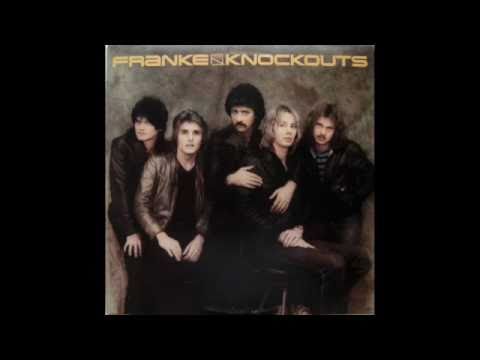
The ’80s music scene had plenty of one-hit wonders, but sometimes songs slipped through the cracks, like in the case of today’s Monthly Mixtape feature. But at COACS, we welcome the forgotten treasures!

Franke & The Knockouts found their fame in the early 1980s and underwent several personnel changes. By 1984 the band had fizzled out, but front man Franke Previte actually co-wrote “(I’ve Had) The Time of My Life” for the Dirty Dancing soundtrack in 1987.

The band did have a top ten hit in “Sweetheart,” which is perfect for Valentine’s month. Unlike your typical ballad, this track connects friendship and romance.

“Sweetheart” by Franke and the Knockouts

Some songs from the early 1980s still give off a ’70s vibe since the sound of the new decade was still evolving. “Sweetheart” is one of those songs that straddle the sound of both decades and doesn’t necessarily scream ’70s or ’80s.

The jazz/lounge mood of the track is uplifting and peaceful. What’s interesting about the instrumental is the contrast it has with the lyrics, which we’ll get to in a minute.

As narrator, Franke, looking a tad like John Oates, croons of being a confidant for a special lady in his life. Although he is not her lover, he implies that he’s known her from “the start.” He knows all of her broken hearts and assures her that she’s not alone.

When Franke asks, “Who treats you like a star,” he’s referring to himself, yet he’s not angry. If this were turned into an ’80s hair metal song, it would have a completely different tone, focusing on how the woman is ignorant of his love and support–plus a few hardcore guitar solos. As is, this version remains sweet, just like its title. Franke’s not mad. He’s simply an onlooker, a dear friend who has always loved this woman. She might not be able to see the value in her best male friend, but that doesn’t stop him from saying, “You’ll always be my sweetheart.”

Along those lines, consider the romantic language sprinkled throughout the lyrics. Franke calls the girl “baby”, “babe”, and even “child.” These pet words show his adoration of her, but they also show how supportive he is of her. His words remain gentle and loving. The use of “child” suggests that this song could also be told from the point of view of a nurturing father who helps dry his daughter’s eyes every time she experiences a heartbreak.

Some love experts say that friendship is the best way to start a romantic relationship! Here Franke seems to wish the relationship with the girl is something more, but he takes what he can get by continuing to value her and show her love through friendship. At the same time, there is always the fear that turning a revered friendship into a romance will lead to disaster. If the romance shatters, won’t the friendship as well?

Franke isn’t worried about that in this song. Instead, he continues to be consistent and loyal to his beloved. Hopefully she’ll see that his love is worthy of her sweet heart!

Before You Go…

Be sure to check out other songs that have been reviewed on Confessions of a Classic Soul (COACS)!

Beat the Wintertime Blues

January feels like a year in and of itself; February is a 28-day period you have to simply exist through (and every four years they throw another day in); and March exudes promises of early spring…or a false hope.

Wintertime blues can wreak havoc on your mood, attitude, and motivation. The shorter days, cold weather, and darkness that accompany winter make it difficult to feel lively and excited. After the holidays, life can seem hollow and mundane again.

So how can we work to overcome wintertime blues? Consider these strategies!

Cozy Stash of Favorites

Always keep at your disposal a collection of activities that match your personality. What are your favorite shows or movies? Create a watch list of things specific to you so that you can simply hit the play button when you feel down.

Create a list of books you’d like to read in the near future. Maybe collect a few recipes you’ve been itching to try. Whatever your hobby, prepare in advance. You can even highlight these ideas in your New Year’s resolution plans when your mind feels inspired and renewed.

Winter can make you feel unlike yourself, and having a stockpile of your favorite things on hand can help boost your mood and make you smile.

The Glow-Up

The term “glow-up” is frequently used in reference to girls following a romantic breakup. If a woman changes her appearance or physically looks happier after a breakup, then she is glowing. She’s found the independence she needs to move on from her ex and live her life freely.

Everyone could benefit from a good glow-up! Whether it be a few new outfits, a fresh hairstyle, or even a trendy pair of eyeglass frames, making time for yourself can help pull you out of the wintertime slump. Changing yourself for the better, even if it’s in outward appearance, can boost your self-esteem and give you a more positive outlook on life!

Scope Out the Latest Scenes

Whether you’re an introvert or an extrovert, social interaction is crucial for all humans. Winter might feel like a boring time where nothing is going on, but that’s certainly not true!

Keep your spirits up by scoping out new events to go to. Maybe it’s a festival or craft show; a play or a concert; a wine tasting or museum tour. Find events that speak to your personality and hobbies. Even virtual events can make all the difference! By staying socially active, you can chase away the wintertime blues! 💙

Photo by Mariam Antadze on Pexels.com

Goals and Plans

It can be difficult to stay focused and motivated during the winter months. To beat the winter blues, keep to-do lists and physically write out goals and plans. Crossing items off a list is a great motivation booster if you consider yourself a methodical person. So go ahead and fill up those planners and calendars. These goals don’t even have to be monumental. You could set an exercise goal or a reminder to send a birthday card to a loved one. That stockpile of favorite activities we talked about earlier? You may want to even schedule them and create a fun little routine for yourself!

Stay Connected

In a society where digital communication should make social connections easier, we sometimes find ourselves feeling even lonelier. With that said, we don’t have to limit ourselves. Sure we can text and video call, but don’t forget the power of old fashioned phone calls and letters.

Make yourself a goal to check in on one person a day. If you have a small inner circle, it’s okay to only reach out to a few people. If you realize that you haven’t talked to ten people in the past few months, you may want take the time to reach out to each one in order to stay connected and maintain a positive social life.

Granted, such communication is a two-way street. Some people don’t like to reach out first because the recipient may not answer. Don’t be afraid to send the first message! You never know when that little communication can go a long way. And if the other person never answers or doesn’t keep the conversation going, then proceed to the next strategy below!

Spread Love in the Community

It’s no surprise that we feel better when we help others. We get a little boost by volunteering or sending a gift to a friend who is going through a difficult time. During the winter, such acts of love, no matter how small, can help pull you out of the depression. So step out and volunteer for the church’s fish fry or help with a donation drive. The possibilities are endless – you just may need to do some digging on nonprofit organizations in your area.

Photo by cottonbro studio on Pexels.com

Keep Things Fresh

We’re creatures of habit, but we don’t have to stay stuck in the those same old habits. Especially when we feel down, we can try new styles and activities to help us get excited about change. Also, when we do something new, such as try out a new hobby, we distract ourselves from the negative, ruminating thoughts that drag us down during the winter months.

How new does new have to be? Not very! Cleaning and rearranging your house is new enough to help do the trick. You may attend a new class or restore an antique you have sitting around your house. Don’t pressure yourself. Choose whatever works for you!

Spice Up the Holidays

There are a string of holidays during winter following the Christmas season: Groundhog Day, President’s Day, Valentine’s Day, St. Patrick’s Day, etc. Although they may not be major holidays, you can still find unique ways to enjoy them.

Instead of finding yourself depressed as a single person on Valentine’s Day, try treating yourself or going out with friends. Heck, take the dog out to do something fun! You don’t have to drink on St. Patrick’s Day! You could spend your time trying out an Irish soda bread recipe or simply sipping a Shamrock Shake! The point is, you don’t have to celebrate how everyone else does, especially if it doesn’t fit your current lifestyle. Worrying about meeting the trends will only send you spiraling deeper into the winter blues.

Think Spring!

The final thing you can do to beat the winter blues is to plan for the spring. Think about what you’re looking forward to. Make a list of spring goals. Will you spend more time outside or plan a thrilling vacation? Keep your eye on the prize – which will arrive in April or May. The flowers will bloom, and you can be enjoy the new season with a fresh outlook and better you!

Photo by Alena Koval on Pexels.com

Steve and Eydie Say Hurry Home for Christmas

In a pop culture where many celebrities marry and divorce at a high rate, it’s rare to find couples who both perform together and stay together romantically. Steve Lawrence and Eydie Gormé were one of these legendary couples.

Sadly, Steve joined his wife after passing away in March of 2024. The light-hearted and vocally-talented duo released a Christmas album several decades ago. They’re popular song from the That Holiday Feeling album was a cover of “Happy Holidays,” often heard by Andy Williams.

Steve and Eydie complement each other beautifully with their crooning. Today we’re taking a deeper dive into their Christmas track, “Hurry Home for Christmas.”

“Hurry Home for Christmas” by Steve Lawrence and Eydie Gormé

As most Christmas tunes, “Hurry Home for Christmas” is simple. It doesn’t feel like Christmas until your loved one(s) come home to help celebrate. The singers being an actual, real-life couple adds to the magic of this rendition!

Despite its simplicity and joyful notes, this song is actually quite profound in its word painting. Word painting is a technique where the musical notation directly conveys the meaning of the lyrics.

For example, “jingle bells” is repeated in a sequence of descending notes, which “paints” sadness. The notes mirror the mood of the song and tell listeners that loved ones are essential to the holiday season.

Repetition and wordplay are at the heart of this festive earworm. As words and phrases are repeated, we get a better sense of urgency. The desire to “hurry” becomes more apparent. Desperation starts to sink in.

A fun little contrast is the light-heartedness with which the lyrics play with the words “dear” and “reindeer.” Here, romance and Christmas meet at an inseparable crossroads, and Steve and Edyie’s bold voices also meld at this point in the tune.

The song’s emphasis continues to the very end, even when the song modulates into the “Don’t stop until you get here.” Listen for the pause after “stop.” In music, an abrupt pause like this is called a caesura, whose symbol (//) looks like a literal pause in time. There’s a finality to this “stop” lyric. It’s the make or break of the Christmas celebration. Either get your butt home or stand out in the snow and cold! 🥶

During a time of love and peace, it can be difficult to be without those you love. Steve and Eydie deliver that message in a beautiful, unforgettable way.

Merry Christmas and Happy Holidays to all my readers! New and exciting adventures are on the way in 2025!

Caramel Apple Cider Cheesecake

Sweet, creamy, and spicy! If you’re looking for a new Fall dessert to satisfy your sweet tooth, then search no farther! Caramel Apple Cider Cheesecake is here to the rescue!

Ingredients

  • 1 1/2 cups diced apples (about 3 apples)
  • 1 packet of hot apple cider mix
  • 6 cups of boiling water
  • 1 1/2 cups of crushed Graham crackers
  • 1 stick of butter, melted
  • 1 8 oz package of cream cheese, softened
  • 1/2 cup of brown sugar
  • 1/2 cup of caramel syrup/ice cream topping
  • 1 teaspoon cinnamon
  • Nuts for topping (optional)

Instructions

  1. In a medium saucepan, boil the water and stir in the packet of hot cider mix.
  2. While waiting on the water, peel and dice the apples.
  3. Once the water boils, remove the pan from the heat and dump in the apples. Then return the pan to the stove and put it on simmer.
  4. While the apples soak in the apple cider, prepare the crust. In a 8-inch round pie pan, place the crushed Graham crackers.
  5. Pour in the melted butter and stir until the crackers become moist and clumpy.
  6. Spread the cracker crust so it fills the bottom and sides of the pie pan. Then set pan aside for later.
  7. Now prepare the filling. In a bowl, beat the softened cream cheese, caramel sauce, brown sugar, and cinnamon. An electric mixer works best for this step.
  8. Remove the apples from the heat and drain them with a strainer.
  9. Simply stir the apples into the filling.
  10. Finally, spread the filling over top of the crust. Make sure the filling is spread evenly.
  11. Add any nuts or toppings.
  12. Chill for about three hours. Then serve!
YAY CHEESECAKE! 🍴🍎
Design a site like this with WordPress.com
Get started