“When It All Goes South” (Monthly Mixtape)

Country music is best known for its realism. Situations and feelings we all know too well are the basis of country music, whether it be good times or heartbreaks. “When It All Goes South,” country music will be there to empathize with us. In fact, Laura Bell Bundy’s song of the same title from 2010 truly captures the feeling of everything going south. It’s hard for me to believe that the song is 10-years old! Back then, 11-year old me was obsessed with Bundy’s current album, Achin’ and Shakin‘, and I couldn’t get enough of the single “Giddy on Up.” “When It All Goes South,” the last song on the “Achin'” part of the album, is where the ache hits its climax.

“When It All Goes South”

The acoustic introduction automatically makes the song an easy listen. I love the irony in the fact that this is a song about everything going wrong, yet this introduction, though gentle, still has a slight upbeat. Before we really know what’s going to happen, we can be assured that all will be okay.

I don’t care what cliché-haters think; the “what goes up, comes down” motto is a strong way to draw the listener in. It echoes what we have been told countless times before, and we can instantly relate to the song.

The first verse seems to soften the blow of heartache. First, Bundy describes how she was swept up by this former love, and everything was a fantasy. Keeping with the mellowness of the background music, I like that, instead of harshly calling out the lover in a fit of rage, Bundy simply points out that the lover was responsible for all going south. This gentleness helps us, as the listeners, to see how heartbroken she is. We might go so far as to say that we see her true colors–it’s not in her nature to make a scene, especially now that everything has fallen down.

Bundy’s ache grows even stronger as we move into the chorus. The imagery of her trying to fly when she’s bound makes us feel broken with her. Plus, the fact that she needed this lover makes the heartbreak so much more tragic. We are pulled down with her, and we are able to understand how she feels. What is even more heart-wrenching and sad is when she says that if she didn’t need the lover, then she could have escaped the situation. If she hadn’t let herself become vulnerable, then she never would have been taken advantage of. This statement is so powerful; we all blame ourselves, which is just more proof that country music can withstand the test of time.

Naturally, the second verse continues to echo Bundy’s heartbreak and her guilt of allowing herself to be fooled by this lover. “Time, space, and amazing grace” are what she–and everyone for that matter–needs to survive, exist. But she allowed the lover to control her, and those survival necessities seemed to have went down south before she did. She is so fragile here, and the gentle upbeat makes us feel the fragility with her. The music itself helps Bundy rise and fall with her emotions. We feel it, too.

Finally, she acknowledges that she’ll be able to find her way back from the south after leaving the lover. These lines show her incredible strength. At last we find inspiration despite the tragedy. Everything will indeed be okay.

When I was younger, I wasn’t a big fan of this song, simply because it was a slow song–and because it was right before “Giddy On Up,” which is what I desperately wanted to hear. Now that I’m older, I understand the maturity and emotion behind the song. It’s very beautiful and heartfelt. I can’t help but wonder how the song might reflect and inspire the south our world has seemed to plunge into. Maybe things won’t be so bad after all. If everything that goes up comes down, then everything that goes down must come up. Laura Bell Bundy was able to experience these rises and falls throughout the song, and now all is well. All we have to do is look to the future.

Before You Go…

Don’t forget to listen to (and follow!) my Spotify playlist dedicated to the Monthly Mixtape songs featured every month. I know the playlist looks a bit short right now, but it’ll grow each month with every new Monthly Mixtape song.

10 Ways for Old Souls (or Anyone) to Keep Sane During a Pandemic

There’s no denying that we are currently living through crazy times. What’s even crazier is the “lost sense of self” that many of us are experiencing as a result of the chaos. The more rules, conflicts, and rapidly-changing environments we encounter, the farther we are pushed away from the center–our own individual center.

Do you feel like you lose yourself a little each day? How can you get yourself back on track and take the time you need to decompress? Here is a list of ten things (in no particular order) that old souls can do to get their groove back.

1. Take a Walk

Photo by Tobi on Pexels.com

During quarantine, and even now back on campus, I’ve found that taking a walk outside or even just admiring and appreciating nature has helped minimize the chaos in my mind. There have been many studies that show nature boosts mental health, so engaging with the environment around us is worth a try. Walking eases the physical tension of sitting around all day, and it gives you time to clear your head and think.

Old souls are very reflective and often take their time to be logical and thoughtful. So, nature + walking = the perfect combination for chasing away the COVID-blues. You are able to sort out your thoughts and take a break from the larger world. You can simply focus on the life happening around you.

2. Read!

You and I both know that your reading list continues to grow and grow as the months go by. Reading is often a popular past time for old souls, especially since it allows for silence and alone time. Reading, no matter the genre of the literature, always manages to take you away from your own world. It thrusts you into the world of someone else. It transports you somewhere else. You can find new perspectives in a good book, and you might even be inspired to change something about yourself or to help the world in someway.

Photo by Karolina Grabowska on Pexels.com

Reading allows you to analyze and think critically. It allows you to engage with the words on the page. Sounds like a pretty good escape, right? Honestly, the most trite excuse for non-readers or wannabe readers is “I don’t have time.” As a college student, I’m tired of reading! I want to read for my own enjoyment, but there’s always something new that I have to read. By the time I try to read for myself, I’m tired or have other things to do.

How can we fix this dilemma? Try setting an alarm on your phone for a certain time each day where you read. Reading before bed helps you fall asleep, so you may want to make it a habit to read before bed. We can call that a win-win!

3. Bake Something!

Photo by Julias Torten und Tu00f6rtchen on Pexels.com

Everyone loves home-baked desserts, and the internet gives us access to thousands of recipes and videos to help guide us along the way. Baking allows you to try new things without going any farther than your kitchen. Baking something you love reminds you of who you are. It also allows you to take pride in accomplishing a recipe you might never have thought you could make. Who knew accomplishments could taste so good!

4. Keep in Touch with Friends and Family

It’s important to keep in touch with family and friends during these challenging times. Because old souls are usually great listeners and advice-givers (if you’re not, you still care about others), they lend an ear to loved ones who need it most. It’s also nice to just catch up with someone you haven’t talked to in a long time.

Photo by Pixabay on Pexels.com

In today’s modern world of technology, we can keep in touch in a variety of ways, from snail mail and phone calls to texting and video calls. No matter which method you choose, someone will be happy to hear from you. And you’ll feel better (and more like yourself) after talking to that person. Consider it your good deed for the day!

5. Make a List of What You’re Grateful For

Although this activity doesn’t seem very hard, it is! For me, it’s just a matter of remembering to do it. You can be grateful for little things or big things. It doesn’t make much difference as to what you are grateful for, as long as you are able to discover, and appreciate the good things in life. They still exist–they’re just sometimes harder to see.

Photo by Suzy Hazelwood on Pexels.com

You can make this list however you choose: write it on paper, use a note app, or simply keep a mental list. If you’re thanking God in particular, then your gratefulness becomes a neat form of prayer. Making this list is also a great activity to do before bed, along with reading. Even taking a moment throughout the day to list a couple of things may help you regain your sense of self.

6. Laugh

Oh no, the Monkees’ song “Laugh” just popped in my head! Actually, I suppose that’s what I mean. What makes you laugh? For me, watching the absurdity of four guys who are trying to build their band takes me away from life’s chaos. We can laugh at almost anything: our pets, our favorite TV shows, or our favorite comedians. No matter what makes us laugh, the act of laughing takes us away from our troubles and reminds us of who we are and what we like. It’s okay if others don’t find your form of funny entertainment amusing, because it’s unique to who you are.

7. Crafting

While I don’t consider myself an artist, I went on a painting kick during quarantine. I have a friend who crocheted and made Rosaries! You don’t have to be a mastermind at art, but you can do it anyway. Art projects demand focus and attention. If you’re focusing on a project instead of all the negativity around you, then you’ll feel a whole lot better. In fact, it just might be like living in your own little world!

8. Charity Work

Photo by Pixabay on Pexels.com

With everything going on, you might not be able to donate money, but you can still find ways to give back to the community. You know that crafting mentioned above? If you feel confident in your abilities, then you can donate some of your products. You may even be able to donate to local drives, depending on social distancing guidelines. Even checking in with neighbors and leaving food at the door counts as charity! When you focus your energies on helping others instead of worrying about the future, you’ll feel a lot better–about yourself and in general!

9. Clean

Photo by Pixabay on Pexels.com

Okay, okay, I can sense that you’re skeptical of this one. I don’t like cleaning any more than you do, but cleaning is an activity that helps you focus your attention and energy elsewhere. You don’t have to strip down a room to be successful in this endeavor (although you very well could). You could simply go through old receipts or papers that have been piling up. You could sit down and clean your jewelry! In the end, cleaning makes you feel better. In a world where it feels like we can’t change much, doing what we can makes all the difference.

10. Do What You Love!

Photo by Pixabay on Pexels.com

Most importantly, do the things that you love. If you have a favorite band, listen to them! If you have a favorite movie, watch it! The best way to take a break and not lose ourselves is to do what makes us, well, us. I’ll admit, it’s not easy to make the time to do it, but it’s something that we need to strive for. Maybe you just need to sit down and and plan these activities into your schedule. Doing this will certainly give you something to look forward to each day (or night). No matter what you choose to do, make sure you’re happy doing it. If you don’t enjoy it, then you’re wasting time. If you like one TV show more so than another, pick the one you like more. This is your time, don’t waste it!

Join the Discussion!

What has kept you sane over the past few months? Which activities from the list have you taken part in?

Words of Advice: “Don’t Rush Me” (Monthly Mixtape)

Despite my younger age, I’ve managed to parachute down to the 1980s, especially into the music scene. For me, the ’80s are timeless, and I can listen to them year round. However, summer nights combined with ’80s music make up one of my favorite pairings. So, to cap off the summer of 2020, let’s jump back into the ’80s for a powerful song that is still relevant today.

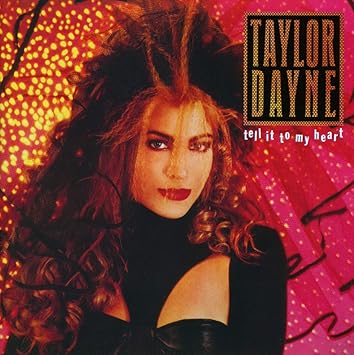
The late ’80s are pretty cool, with even more synthesizers and drumming. The late ’80s sound definitely plays a key role in Taylor Dayne’s 1988 song “Don’t Rush Me,” which is featured on her debut album Tell It To My Heart. The instrumentation behind the song promotes the confidence and assertiveness we hear in Taylor Dayne’s vocals. But why doesn’t she want to be rushed?

“Don’t Rush Me”

The first lyric that stands out to me is “iffy.” On one hand, I really want to know why the situation is iffy? On the other hand, assuming this is a first or second date, then the lover is still probably “iffy.” In other words, Dayne can’t say for sure whether or not this guy is the one. “Iffy” is a word you’d never expect to hear in a song, and I like how it is inserted so effortlessly.

Already, the song is building up the “don’t rush me” theme. Even when Dayne puts emphasis on the “slowly” at the end of the first verse, we know what’s coming in the chorus. What we don’t know is how she will explain it.

The meaning of the song, though simple enough, boils down to the fact that Dayne has rushed into love way too early and doesn’t want to go down that road again, especially if she is still unsure–which it is clear that she is in this same situation. She’s trying to avoid some deja vu. At the same time, the meaning here could become a bit broader if we dare to take it that far. Is it unfair to extend this idea to life in general? Why rush life? As humans, we know that time is either on our side or mocking us from across the room. Friendships take time; building a career takes time; finding your sense of identity takes time; volunteering takes time; projects take time. While Dayne’s message here is as simple as it seems, it lines up with our notion of time. This situation is familiar and it might even remind us to slow down in other areas of our lives.

The second verse actually adds one more layer to the song and to our conception of time. Dayne connects desire and danger. In her context, she is referring to love and one-night stands. I appreciate these lines because many songs positively incorporate one-night stands. On another level, we can realize that other human desires, such as greed, can lead to danger if we submit to them quickly, without thinking. If we take the time before jumping in, we may benefit greatly. We may even kick our old habits.

On a musical side note, I’ve mentioned before in previous Monthly Mixtape features that I love when a lyric is sung over a descending pattern of notes. Dayne performs that very perfectly in her verses.

I love how powerful she is on the chorus. She really hones in her message, her plea. There is a lot of confidence behind the lyrics. When the chorus shifts into the bridge, though, the music grows softer. The music weakens just as she does. It’s okay that she’s weakening, from my viewpoint, because it shows that she might be on the right path after all. Maybe she and this lover were meant to be. Simultaneously, I could be completely wrong. Maybe she is still uncertain–even the tiniest bit. But he has everything she’s been looking for, so maybe she won’t have to slow down as much. Yet, it could go the other way, which is likely why the confidence builds back up as she belts out the final rounds of the chorus.

Dayne soars at the end, reminding us that she’s made the mistake before and won’t do it again. “Don’t Rush Me” is one of those powerhouse ’80s songs that showcases one of the finest female singers in pop history. And it’s a reminder to us that we don’t have to rush.

Before You Go…

Don’t forget to listen to (and follow!) my Spotify playlist dedicated to the Monthly Mixtape songs featured every month. I know the playlist looks a bit short right now, but it’ll grow each month with every new Monthly Mixtape song.

What’s the Scoop on Ice Cream?

Perhaps no other summer food stands out quite like ice cream. No matter what time it is on a hot day, ice cream is the perfect treat to the rescue! Whether it’s a scoop, a swirl, a sundae, on a stick, in a cup, on a waffle cone, from a carton, or from an ice cream truck, ice cream is here to stay.

What makes ice cream so popular? Am I really asking that dumb question? Yes! Ice cream is popular for thousands of reasons, and today we’ll try to sum up the scoop on ice cream.

I randomly chose some of my social media followers to compete a brief questionnaire on ice cream. What follows is a summary of their answers–a 21-person common consensus of ice cream from fellow ice cream lovers.

When is the Best Time to Eat Ice Cream?

Is there a best time to eat ice cream? I think most of us can agree that ice cream is wonderful in the summertime, but is it crazy to eat in the winter as well?

The results are in…

  • 28.6% of participants eat ice cream anytime!

  • 52% of participants eat ice cream in the summer, especially on those summer nights.

  • 9.5% of participants eat ice cream at night, not just on summer nights.

  • 9.5% of participants like to eat ice cream at other times of the year.

Lily, who moved to Texas, would rather eat ice cream in the winter, since diary treats turn into puddles when the temperature is 115 degrees!

Meanwhile, Brittney mentioned that she likes to eat ice cream while on vacation and at county fairs.

In the end, it doesn’t matter when you eat ice cream, as long as you enjoy every last bite!

What is Your Favorite Memory Involving Ice Cream?

Sometimes we remember specific instances when we eat a certain ice cream flavor or visit a specific ice cream stand. Food and memories sometimes link together in our brains. Whether we’re remembering Christmas dinners, Sunday Spaghetti dinners, or just freshly baked cookies, these memories stick with us for a long time. Ice cream is no different.

Special ice cream-related memories include…

  • Classic cake and ice cream on birthdays (and ice cream cakes!)
  • Taking a Sunday ride with family to get ice cream
  • Hometown ice cream stands, such as “Pickle Bob’s,” “Biggenz,” “Alwines,” “Valley Dairy,” “Brusters,” “Sarris,” and “Stiles’ Koolit Korner.”
  • Who could forget the ice cream truck?
  • Making homemade ice cream (see recipes here: https://www.delish.com/cooking/recipe-ideas/g2817/homemade-ice-cream-recipes/?slide=1 )

Other Memories…

“The dino sundae at Bruster’s. When I was little, that was pretty much the only thing I ever ordered just because I thought the dinosaur cookie looked so cool.”

–Chrissy

“After my freshman year of college, we went to Disney and went to The Beaches and Cream Restaurant. We order the “Kitchen Sink” which is this massive ice cream sundae, full of all the ice cream and toppings you could dream of, plus a whole can of whipped cream.[The] best part was watching my brother slurp melted ice cream through a straw at the end (and getting it on video).”

–MC

Working in the Ice Cream Biz

Not many survey participants worked in the ice cream business, but that doesn’t mean that working at an ice cream shop isn’t fun. My dad stacked ice cream cartons back in the day at Sani-Diary. I myself have had a good run working for a family-owned ice cream stand.

True, the ice cream machine is loud, so you can’t always hear customers. You’d also be correct in saying that all of the employees want to go home on hot summer nights when the cars are parked on top of one another in the parking lot. However, ice cream is a lot of fun. I love to see kids’ faces light up when they see their ice cream cones. Their little arms reach and reach (my arms are also little so I have to stand on tiptoe to get the cone out of the window). It’s also fun to see familiar faces–those regulars who order the same cone or sundae every time they come. Unless you mess up an order, people are generally happy when you hand them ice cream.

“The ice cream place I worked at was a little stressful because it was so so popular, but it was fun to serve such a classic and favorite treat! I loved seeing the different flavor/topping combinations people made!”

–Faith

Working in the ice cream business is a good way to get your foot in the door. It’s a great starter job that helps you get a taste of the workforce. If you have fun coworkers, the work environment is also fun. Some days it feels like you’re holding down a fortress and everyone mans a station, but the benefits are worth it in the end.

Why is Ice Cream So Popular in Our Culture? What’s So Special about It?

“It tastes good!” Many participants agreed that ice cream is so popular because of taste. Perhaps the best quality of ice cream is that it comes in a variety of flavors, all of which taste good–so much so that many of us can’t simply pick one favorite flavor. Blame it on the sugar, blame it on the chocolate, blame it on the texture. No matter which way you put it on a cone, ice cream will cool you off with its sweetness!

“There are so many flavors, so it appeals to many people. This makes it easy for people to enjoy a treat of ice cream with their friends and family.”

–Natalie L.

“It’s something that isn’t real expensive and it’s cooling.”

–Carol

“Ice cream is childhood. Sometimes I feel myself craving it when I’m feeling playful.”

–Brittney

“Ice cream is an escape. It allows us to escape the summer heat, relax, and enjoy something sweet when you feel stressed. Eating ice cream indoors in the winter does not have the same effect as eating it outside in the summer. The window of opportunity to use ice cream as an escape is narrow which just increases its impact.

–EL

“It’s almost symbolic of summer and carefree times. I always associate ice cream with celebration.”

–MH

What is Your Favorite Flavor of Ice Cream?

Now for the hardest question. Is there a popular flavor that most ice cream lovers share, or is variety the winner? See what the participants had to say, and then vote for your own favorite flavor.

Favorite Flavor of Ice Cream

As you can see, Vanilla (including French Vanilla and Vanilla Bean) are true fan favorites.. However, the number of other favorite flavors listed proves that everyone has an individual favorite, which is likely why ice cream is so popular.

There’s the Scoop!

So that’s the scoop on ice cream. This fan favorite isn’t going anywhere, and its popularity extends way beyond July, which is National Ice Cream Month (thanks, Ronald Reagan 🙂 ).

In the end, ice cream is a constant in our lives. It conjures up memories of our childhoods, of outings with friends and families, of good times. Ice cream is there for you when you’re sad or when you’re happy–a comfort food, indeed!

Photo by Z a a on Pexels.com

Join the Discussion!

Why is ice cream so special to you? Join the discussion by leaving a comment below!

One Man’s Plea: “Help Me Girl!” (Monthly Mixtape)

The Outsiders’ fame may render them true outsiders in the rock n’ roll world, but their discography is still worth a listen today. Their widely known record, “Time Won’t Let Me,” only reached number 5 on the U.S. charts back in 1966. However, this success was not the end for the Outsiders. You can read their full bio here: https://open.spotify.com/artist/5Odrl8RJfCf0km0UaRI4cR/about

There’s no doubt that “Time Won’t Let Me” is frequently stuck in my head. So, I decided to dive into the band’s catalog of songs, hoping one would inspire a Monthly Mixtape feature. And here we are! The song that hit me was “Help Me Girl” (my English major brain is still bugging me to write the title “Help Me, Girl.” Otherwise, the word “girl” looks like a verb!).

Before we get to it, I want to point out that “Help Me Girl” was also recorded by Eric Burdon and the Animals around the same time as Sonny Geraci and the Outsiders. This occurrence led to an airplay conflict. In my opinion, the Outsiders are a better fit for the song because of Geraci’s higher vocal range.

“Help Me Girl”

The introduction to the song is very simple. In fact, it’s what we call “staccato” in music, which means that the notes are “separated.” The drum kick also helps this passage become separated. And my my–is that a harpsichord?! Apparently harpsichords had a comeback in the 1960s, mixing vintage with contemporary. You can read more on this phenomenon here: https://contributormagazine.com/the-rise-and-fall-of-the-harpsichord-in-the-1960s/

Nonetheless, this simple introduction is almost suspenseful. What’s going to happen next? This song doesn’t sound happy-go-lucky. In other words, it doesn’t seem to be bubblegum pop.

And it isn’t. Geraci jumps in on lead vocals and he starts singing about…hunger? I don’t know about you, but I was a bit caught off-guard by this lyric choice. What surprises me more is that he’s so hungry that he’s lost his pride! So far we don’t know what he’s hungry for. Is it the girl? He wants the girl to help him, that’s obvious, but is love the driving force?

This song hit me the most when Geraci sings a descending pattern of notes on lines such as “It’s a funny pain / One I can’t explain.” Perhaps these notes characterize what he’s feeling here. The way he sings these lines is very emotive and pushes us through to the next lines about him being insane.

The second verse is actually quite powerful. Money is defamiliarized as “long green stuff,” and Geraci admits that he doesn’t need it. It’s great, but there’s more to life. A very ’60s statement, true, but I like that Geraci voices frustration with reality. Later on, we find that he wants this girl to help him through reality. It sounds like he needs someone to be his rock and comforter, someone to keep him grounded to the necessary things in life. Seems pretty groovy to me!

Overall, Geraci’s version of the song is more convincing to me compared to Burdon’s version because Geraci sounds like he is on his knees begging to this girl. The “heys” and the high notes emphasize his plea. Even more, repetition of certain phrases adds to his begging. Please don’t get me wrong, the Animals’ version of the song is fine. Burdon’s adaptation is still full of begging. Personally, I think Geraci hits the nail on the head a bit better. Still, I’ll listen to “House of the Rising Sun” anytime!

The Animals’ version of “Help Me Girl”

After listening to other songs by the Outsiders, I believe that they truly are underrated. Finding gems from underrated bands is so much fun because musicians want their songs to be appreciated across generations. I think “Help Me Girl” has the potential to withstand the test of time both musically and thematically, as it’s set in reality.

Before You Go…

Don’t forget to listen to (and follow!) my Spotify playlist dedicated to the Monthly Mixtape songs featured every month. I know the playlist looks a bit short right now, but it’ll grow each month with every new Monthly Mixtape song.

Join the Discussion!

What are your thoughts on the Outsiders’ version of “Help Me Girl?” Do you prefer the Animals’ version?

Fred Flintstone v. Sir John Falstaff

In life’s stressful moments, who doesn’t like a little comic relief? In the entertainment world, comic relief is a must-have, and there are plenty of fools we can turn to in order to enjoy a hearty laugh.

Naturally, not all “fool characters” are exactly alike, but sometimes they overlap with other characters. So what’s the deal with Flintstone and Falstaff? Both Hanna-Barbera and Shakespeare fans are cocking eyebrows and staring at me skeptically. What does a Bedrock native and a tavern regular have in common? Fred Flintstone and Sir John Falstaff allow their egos to get the best of them, all while their outrageous behavior wins laughter from their respective audiences.

Lust for Food and Drink

Gluttony is too strong of a word to use to describe Fred’s love of food and Falstaff’s love of alcohol. While both addictions are laughed off, they lead back to each character’s self-serving ego. Fred assumes that Wilma should have dinner on the table pronto, and if there isn’t enough food, well, be ready for him to “blow his top.”

Photo by Flo Dahm on Pexels.com

Likewise, Falstaff always needs a bottle of sack in his hand to go about his day. I suggest that the alcohol makes him overly confident and ridiculously outrageous, especially when he pretends to be Prince Hal’s father, King Henry IV. The outrageous nature of the scene, though quite entertaining, is likely a result of Falstaff’s addiction, which in turn allows him to falsely build himself up. In fact, he refers to himself in the role-playing.

Fred and Falstaff engage in a fictitious environment that we cannot experience as a reality (I’d like to see you eat as quickly as Fred!). Perhaps this is partly why their food and drink obsessions are so amusing. On the plus side, these obsessions are motivations. Without them as motivators, would Fred and Falstaff get anything done? A starving Fred would be crabbier than usual and a dry Falstaff would be…well, I’m not actually sure who Falstaff would be without his sack. Therefore, these obsessions are also character quirks, despite the fact that they contribute to each character’s ego.

Big-Mouthed

Ah, you’re not surprised, are you? Both Fred and Falstaff are big-mouthed; they say whatever is on their minds, and, more often than not, the words that come out of their mouths are either over-the-top, false, or both. Because they are beloved comic relief characters, we tend to overlook their lies and extravagant storytelling.

For Fred, the instance that stands out to me is when “The Mangler” is on the loose. Because Fred was the foreman of the jury that convicted him, “The Mangler” promises to come and kill Fred. In the end, a toy train trips up and takes down “The Mangler”, not Fred. However, true to his character, Fred tells the cops this extravagant story about how he caught “The Mangler.” Fred must make up this false story to make himself look good. He puts on the airs to bump up his status. But truth be told, he is just the same old Fred.

Photo by Pressmaster on Pexels.com

Likewise, Falstaff concocts extravagant stories to make himself look good. In Henry IV part 1, Falstaff and Prince Hal plan rob missionaries. To play a joke on Falstaff, Hal decides to rob Falstaff immediately after Falstaff robs the missionaries. Falstaff is scared out of his wits when Prince Hal, disguised, robs him. Later, when Falstaff recounts the story, he claims that he fought the robbers. As he tells the story, he changes the number of robbers who tried to rob him. Like Fred, Falstaff makes up stories to serve his ego.

In a way, Fred and Falstaff are glory seekers. They want to elevate their own status. They only care about themselves. Falstaff even goes so far as to claim victory over Hotspur’s death, when Prince Hal deserves the victory. Did Falstaff even raise his sword in the entire battle? Yet there he is, claiming victory, and Prince Hal allows him.

Final Evidence

Fred and Falstaff share a few other characteristics, such as their treatment of women and their “gift” of language. Fred is always criticizing Wilma while Falstaff accuses the Hostess of stealing his money. Both Fred and Falstaff’s views of women are degrading at times. Perhaps this characteristic relates back to their egos: they want control and dominance. However, this trait does not mean that they do not value women. In the end, Fred and Wilma usually kiss-and-make-up.

Additionally, Fred and Falstaff both have a “gift” of language. Fred (and Barney for that matter) constantly mispronounce English words, such as the word “graduate.” Meanwhile Falstaff uses an array of Shakespearean metaphors to create his own comedic effect (and if you’re not a Shakespearean scholar–I am certainly not–, then you need the footnotes to decipher the jokes Falstaff makes). Nonetheless, both of our fools use their own terminology to make us laugh. While this trait does not necessarily contribute to the characters’ egos, it does make them stand out among other beloved characters.

FredFalstaff
*Food Obsession
*Extravagant Storyteller/Liar
*Glory Seeker
*Critical of Women
*Mispronounces Words
*Alcohol Obsession
*Extravagant Storyteller/Liar
*Glory Seeker
*Disrespectful of Women
*Shakespearean Words and Metaphors
Fred and Falstaff Recap

In conclusion, although Fred and Falstaff are self-serving, they are still beloved characters. The negative traits they share should not cast too dark of a shadow over them, because, after all, they are the funnymen we look for. No matter how many extravagant stories Fred tells, I’ll still laugh when he tells Arnold to go play on the freeway. At the same time, I’ll laugh at Falstaff when I see adaptations of Henry IV. Falstaff can come off as dry and bitter when his part is read in the play. Because Shakespeare’s plays were meant to be performed rather than simply read, Falstaff gains more color and is more amusing on stage.

So, in the end, we love our comic relief characters, even if they have a bit of a dark side.

Join the Discussion!

Do you agree with the Fred/Falstaff comparison? What stands out the most to you about these characters?

Happy Birthday, America! Have Some Apple…Cake?

The 4th of July will soon be upon us, and that means we’ll be eating a variety of tasty foods as we celebrate the birth of our nation. America and apple pie are two symbols that we all know well, and they are typically associated with one another. But what if you’re bored with apple pie? I know you’re thinking: “Who gets bored with apple pie?” To this I reply: “But some people like cake.”

Quite honestly, I like apple pie and apple cake. Today I’d like to share an apple cake recipe that is part of Grandma Norma’s dessert archives. So, if you’d like to serve a new apple-based treat on your picnic table, we’ve got you covered!

Ingredients

  • 3/4 cups of vegetable oil
  • 1 cup of sugar
  • 1/4 cup of brown sugar
  • 3 eggs
  • 2 cups of cubed or sliced apples (any type)
  • 1/2 cup of raisins (optional)
  • 2 cups of flour
  • 1 teaspoon of baking soda
  • 1/2 teaspoon of salt
  • 2 teaspoons of cinnamon
  • 1/2 cup of chopped nuts (typically walnuts)
  • Powdered sugar (aka “Confectioner’s Sugar”)

Steps

  1. Mix oil, sugar, and eggs in a large bowl.
  2. Add flour, baking soda, salt, and cinnamon to bowl and mix well.
  3. Add apples to the bowl and mix.
  4. Add raisins and nuts, if desired.
  5. Pour the batter into a 9 x 13 in. pan. You can substitute for another rectangular pan. Your baking time will vary according to pan, and the cake may be thicker. If food typically sticks to your pan, I recommend greasing the pan and then coating it lightly with flour.

Baking and Onward

When your batter is ready to go, place it in the oven at 350 degrees for 45 minutes. When the cake is cooled off, dust the cake with powdered sugar. Make sure to cover the cake after serving, so it doesn’t dry out too quickly.

Is that All?

Yes! This recipe is pretty simple. The most time-consuming part of the recipe is slicing the apples, yet the cake is worth it in the end.

Happy 4th of July to you and yours! Break out the vanilla ice cream–it’s time for apple cake!

Join the Discussion!

What is your favorite way to eat apples?

Monthly Mixtape: Won’t You “Come On”?

We’re well into the summer, and that means family get-togethers and parties…well, in line with social distancing and other safety measures, of course. This summer has been unlike any other, but we can still have fun. ’80s pop duo Wham! is about youth, and this motif comes across in many of their infectious hits. While most songs are based on love and romance, a few lean on the side of partying and having a good time. “Come On” is one of those songs off the debut album, Fantastic, and it often slips between the cracks of Wham!’s discography.

Today we’ll go back in time to 1983 and dive into a preview of who George Michael would later grow into as a legendary singer/songwriter. And if you happened to miss my review of Andrew Ridgeley’s memoir Wham! George Michael & Me, you can read it here:

We’re Still Dancing…

There is no denying that this song was created in the 1980s. The upbeat intro has an underlying synth pop element to it, and we’re off running. We don’t know what’s going to happen yet, but we know we’re preparing for a big moment, and we’re grooving while we wait.

George jumps in and begins on the chorus, and suddenly he’s talking directly to us. Right away we have a call-to-action with two little words: “come on.” Even more, the line “…And don’t let nobody say you’re wrong” hits you out of nowhere. This is a very powerful line. Underneath the simple words, we feel a call-to-freedom. We don’t know what exactly, if anything, is supposed to be holding us back from partying, but George encourages us to continue on and forget about someone. As he keeps singing, we encounter more questions. Why have we lost control? Is it really OK to lose it? Who is going to steal our souls? Why? At first, the questions posed in the opening lines are a bit mysterious. As the song continues, however, we will figure out where we stand and why it’s OK to lose control and have fun.

"And don't let nobody spoil your fun..."

Now we transition smoothly into the verse. This song’s structure is a bit odd, as it really only has two verses and no bridge. Or is that one verse and one bridge? Either way, it’s a little nontraditional. I wonder–does this perhaps have something to do with the fact that we’re supposed to be having fun and not thinking? Does structure go out the window just like our control and problems? While we don’t have much time to think about song structure, we encounter more questions: what’s with these greedy men? Part of you wants to keep dancing and forget about them, but you can’t help wondering what they have done! In any case, George encourages the greedy men to not worry and dance on. This party is a nonjudgmental zone. In other words, who cares who you are or what you have done–just have fun! “Come On” is a call to unity. When you’re having fun at a party, cares are cast aside and the past doesn’t matter.

OK, we’re getting to my favorite parts of this song! Before the second verse (or is it bridge?) we hear this instrumental interlude that is even more synthesized than the beginning of the song. The trumpets that are present in the chorus are gone for a second, and I feel like I’ve transported to an episode of Miami Vice. This interlude always reminds me of Miami Vice music, as Crockett and Tubbs are cruising the streets at night. This interlude marks the first and only time we really hear an instrumental such as this in a Wham! song. It’s so cool and catchy that I want a whole song with just that melody.

After we’ve checked in with Crockett and Tubbs, we go into the next lyrical section. George soars on some high notes here, which hit me every time I hear the song. These high notes show George’s budding vocal talent. And, not surprisingly, we get more questions. What is George scared of? Why would we think he’s not scared? What does he need to be prepared for? Really, those questions don’t need specific answers. As he continues, we realize that we’re back to that same carefree place. He doesn’t need to worry about what his life will bring tomorrow. It’s not like he isn’t scared of the future. Right now, though, he just needs to blow off some steam. Then, he admits that he’s not important. He’s not a VIP, and neither are we. So, we should enjoy our lives and not worry about what others are doing or what others are thinking about us. I don’t want to go so far as to say “we don’t matter,” because it’s more of “we’re not incredibly famous or important; we’re just us.”

The rest of the song is really just repetitive as we dance on. There is another instrumental interlude a bit different from the others, and I love hearing George and Andrew laugh in the middle of it. I don’t how you laugh in a song, but that just makes the song more Wham!-like, as it testifies to George and Andrew’s friendship.

In the end, George wants us to have fun. Should we party every night? Probably not, but we’re reminded that we can always escape if we need to. No one can control us or steal our souls. We are free to be who we want to be. Wow, doesn’t that just have George Michael written all over it? Even as a teenager in 1983, George was writing and singing about freedom. While the 1983 Wham! debut album can be laughed-off at times (George even came to dislike some of the songs), hardcore fans can start to track George’s progression as a singer/songwriter. To me, tracking this progression is one of the most intriguing parts of following a singer’s career.

Now, shouldn’t we be dancing?

Enjoying Monthly Mixtape?

Before you go, check out a new playlist I’ve created featuring all of the songs reviewed on Monthly Mixtape. I know the list looks short, but songs will be added after each new Monthly Mixtape feature. Happy listening, and don’t forget to follow the playlist so you can listen to new updates!

Join the Discussion!

How do you feel about Wham!’s “Come On?”

Simply Wham!tastic!: A Review of Andrew Ridgeley’s “Wham! George Michael and Me”

Nonstop “Party nights and neon lights,” complete with dozens of one-night stands. That wasn’t quite Wham! (unless we’re at “Club Tropicana”). A major rift that results in a lineup change or a crumbling of the band. That wasn’t Wham! either. Pure bubblegum pop accompanied with a teenage image. That was Wham!…to a certain extent. An ’80s pop duo founded on genuine friendship. That was Wham!. A band whose sole ambition was to become the biggest pop act in the world, even if that meant becoming the first Western band to perform in Communist China. That was Wham!. A band whose lead singer built his confidence with his best friend by his side before becoming a legendary singer/songwriter. That was Wham!.

In his 2019 memoir, Wham! George Michael & Me, the second half of the beloved ’80s duo heads back in time to reminisce and narrate the story of two schoolboys who dreamt of forming a hit music group and making it big. Andrew Ridgeley’s memoir is a must-have for all Wham! fans and ’80s music lovers. His prose is full of excellent imagery and poignant storytelling, complete with quips, sentiments, and photographs that uncover everything Wham! fans have always desired to know. The memoir is a touching tribute to his best friend. It’s a fairly quick read (although it took me several months; we’ll blame it on the fact that I’m a busy college student). Even more, as a subgenre of creative nonfiction, Ridgeley’s memoir touches on a few principles of persona, as described by Vivian Gornick in The Situation and the Story. Gornick explains the foundation and techniques of creative nonfiction, which I will apply to Ridgeley’s memoir at the end of this review.

I may have only fallen head over heels for Wham! five years ago, but that doesn’t mean their effect is lost on me. As I conducted more research on George and Andrew over the years, I quickly came to admire their enduring friendship. Who doesn’t want a friendship like that? Wham! are a model of friendship and youth. At the end of the day, you can grow up and mature into your talent and calling (just as George grew into the Faith-era), but you never forget how you arrived at this new place. To me, Wham! is so much more than meets the eye. Yet the youth-infused songs have the ability to allow you to escape life for a while. I bought all three Wham! albums within a year. I couldn’t get enough of the sound. Once I heard George’s voice, there was no going back. Now I’m an almost-21-year-old who goes around blasting Wham!, trying to explain to my friends the magic that I still have trouble forming into words.

I’ve been itching to dive into the Wham!/George files on Confessions of a Classic Soul. So let’s get to it! “Get back, hands off, go for it!”…

*Spoilers Ahead*

Perhaps I shouldn’t say this out loud: when I first saw this cover, I truly believed Andrew was George and George was Andrew since the names are under the wrong faces. And WHY can’t anyone spell “Ridgeley” correctly?!

Synopsis

Naturally, the memoir is chronologically organized. Well, it is and it isn’t. Ridgeley begins in medias res with June 28, 1986: the day of Wham!’s final concert. After successfully capturing the end of Wham!’s journey, Ridgeley takes the reader back to where it all began. Ridgeley highlights his father’s migration to England from Egypt and then details his own childhood. When Andrew was 12, he was bored with school. His grades weren’t exactly up to par. Yet when the new kid walked into the classroom with the teacher, a pre-teen Andrew befriended Georgios Panayiotou, who would later become pop superstar George Michael.

George and Andrew’s friendship, although not at first accepted by George’s parents, was founded on an intense passion for music. This passion would fuel their desire to begin a band. After the failure of their ska-based band The Executive, Andrew persuaded George to start their own band as a duo. And he wasn’t taking no for an answer.

I love this picture, but I honestly don’t know what they’re doing!

Ridgeley chronicles the demos, record label haggling, and gigs that went into forming Wham!. They released their debut album, Fantastic, which included the hits “Wham Rap” and “Young Guns (Go For It!)”. After finding several discrepancies with Innervision, their first record label, the band left the label with the help of their new manager, Simon Napier-Bell, who would later work relentlessly to get Wham! into China (You can read his own memoir: I’m Coming to Take You to Lunch…).

Wham! indeed made it big with their second album, Make It Big. With a new image (no more short shorts) and a bit more of an ’80s pop sound, Wham! worked on becoming number one in other countries beside England. Tackling the U.S. was no easy feat. “Wake Me Up Before You Go-Go,” inspired by a note Andrew had written to his parents to wake him up in the morning, became Wham!’s first number one hit in America. Complete with an underlying ’60s vibe, “Wake Me Up,” has been a pop earworm ever since! After more success with “Careless Whisper,” “Everything She Wants,” and the timeless “Last Christmas,” Wham! was on their way to becoming a global success. However, fans and record companies in the U.S. were not yet sold on Wham!. Before Wham! could embark on a country-wide tour there, the U.S. needed more convincing. After playing two concerts in China, Wham! finally earned America’s appreciation.

It nearly goes without saying that “Careless Whisper” proved George had what it takes to go solo, and Andrew was not blind to this fact. Rumors were circulating about a Wham! split. George and Andrew knew that Wham!’s youthfulness couldn’t last forever. After releasing their third album, Music from the Edge of Heaven, which included “The Edge of Heaven,” “I’m Your Man,” and “A Different Corner,” it was time for Wham! to conclude on a high note. At Wembley stadium on June 28, 1986, Wham! played their final concert, complete with good times, fan favorites, and a few tears. Andrew knew that George needed to go solo, so he gave George the space needed to do so.

Extra! Extra!

Wham! George Michael & Me is packed full of details that I couldn’t possibly cover in a mere synopsis. As mentioned in the beginning of this review, Ridgeley’s memoir touches on facts that every devout Wham! fan desires to know. Below is a brief list of the juicy tidbits fans have been craving. I promise to keep it brief to avoid the risk of spilling too many spoilers!

  1. Just who is Andrew Ridgeley?— Ridgeley, who is known to enjoy a private life (can’t blame him!), ironically dives into his life’s story, including his childhood. He delves into the journey of his father, who migrated to England from Egypt. Readers even learn about the origins of Andrew’s surname.
  2. Schoolboy Days— Additionally, readers get a glimpse into the school life of George and Andrew, including the first day that they met. I never thought I’d see a picture of Andrew Ridgeley’s report card or learn that George and Andrew took a French class (is this how George knew enough French to include it in the 1986 “Battlestations”?).
  3. “Careless Whisper”–Although I’ve only been a fan for a few years, I’ve heard enough stories to realize that someone is incorrect regarding Ridgeley’s involvement in the classic hit. In the memoir, readers find that Ridgeley did in fact take part in the song’s composition. George did not credit Andrew in the songwriting simply so Andrew would receive royalties from the song. Given George’s very generous heart, the story was believable.
  4. Band Aid and Responsibilities–There have been times when I have doubted Andrew Ridgeley’s involvement in Wham!. After all, George later took on the vast majority of the songwriting duties. This memoir quashed any lingering doubt I may have had. Ridgeley explains why he did not attend the infamous Band Aid recording of “Do They Know It’s Christmas?” He also details how he decided to step back from the songwriting. But don’t let this fool you! Ridgeley writes that he missed working with George on the songwriting process. He enjoyed the times when he and George would bounce ideas off one another. But George’s solo career was on the horizon, and Andrew respected George’s need for creative freedom.
  5. Artifacts–One of the best features of this memoir is the number of artifacts that are preserved throughout, mainly photographs. The reader has access to classic Wham! photographs…in color! In addition, the reader gets to see photographs saved by Andrew’s mother, which are preserved in a scrapbook. I was ecstatic to read through the lyrics of one of The Executive’s songs. These artifacts are a wonderful treat for readers, and they really enhance the reading experience!
Fun Fact: I can only identify what year Wham! photos are from by looking at their clothes and their hair!

The Persona

I don’t know about other readers, but I traveled off to “Wham! World” when I read this excellent, touching memoir. In the midst of my “Wham!mania,” I’ve realized that memoir is a form of creative nonfiction. My English major sense is tingling! To conclude my review, I’d like to briefly analyze Andrew Ridgeley’s persona, and how it changes over the course of the memoir.

According to Vivian Gornick, author of The Situation and the Story, the situation of creative nonfiction is the context of the work. The situation could be the plot. For Ridgeley, his friendship with George and the career of Wham! make up the situation. The story, on the other hand, is comprised of what the author experiences emotionally. Ridgeley’s reflections on his experiences, then, make up the story. Meanwhile, the persona is the way in which the author is portrayed in the work. In fiction, an author can hide behind characters. In creative nonfiction, however, the author/narrator is writing about the self, and he or she must choose how to write that self in relation to the subject and experience. The persona is “unsurrogated,” as the author is directly on display. The persona is shaped by the situation and story being told. Over the course of a work, the persona grows and changes. It does not remain stagnant, as the narrator gains more self-knowledge through the experience.

How do these ideas apply to Ridgeley? Wham! is all about youth. If the essence of Wham! was anything other, then perhaps Wham! would’ve stuck together for a longer period of time. Nonetheless, Andrew begins with a very youthful and passionate persona. His incessant passion for music and for kick-starting a band is his initial driving force in his teenage years. However, once Wham! became a household name and achieved success with number-one hits, the youthful exuberance began to fade a bit, especially with George’s wish to eventually go solo and express himself as a mature artist. Both George and Andrew knew that Wham! was equivalent to youth, and youthfulness doesn’t last forever. Andrew, who once created songs with his best buddy, took a backseat to allow George creative space.

Amid the constancy of George and Andrew’s friendship, both George and Andrew had to grow individually. On the page, the reader sees Andrew’s passion for songwriting and performing bend in order to do what’s best for George. In the end, Andrew was fed up with the tabloids invading his personal life, and he decided to pursue other interests while Wham! winded down. Wham! had achieved its goal. While the friendship remained the same, the two boys parted ways to fulfill other dreams and purposes as men.

Without Andrew Ridgeley, there would be no Wham!, and certainly no George Michael. Perhaps the young boy known as Yog would have been a doctor or a lawyer, unaware of another God-given talent. Wham! George Michael & Me is a delight to read. It is a truly inspiring testament to friendship. Ridgeley’s quick wit and beautifully crafted language stamp that friendship onto paper. This memoir is another artifact that Wham! fans can add to their treasure troves.

Years ago, one bored, yet eager, boy volunteered to befriend the new kid. And the rest is pop history…

Read Now!

Photo by Karolina Grabowska on Pexels.com

Works Cited

Gornick, Vivian. The Situation and the Story. 2001. Farrar, Straus, Giroux, 2002, pp. 6-7; 13; 36.

Ridgeley, Andrew. Wham! George Michael & Me: A Memoir. United States: Dutton-Penguin, 2019.

Join the Discussion!

What do you love or remember the most about Wham!?

Lou Gramm’s Got a “Spellbinder” on His Hands (Monthly Mixtape)

https://images-na.ssl-images-amazon.com/images/I/616WWmK2hBL.SX355.jpg

As if having “Double Vision” wasn’t enough, now Lou Gramm’s got a “Spellbinder” on his hands. Liz from Michigan suggested several bands that we could feature on Monthly Mixtape. I got excited at the idea of diving into the Foreigner files since I don’t know many songs besides the classics.

Searching through Foreigner’s discography, I came across “Spellbinder.” True, I judged the song by its title, and I was curious to know what the song sounded like. The title suggests that the song will have a mysterious and even possibly eerie vibe to it, and I wondered how it compares to “Double Vision,” the title track of the 1978 album of the same name. I have a bad habit of forgetting that Foreigner debuted in the late ’70s. Here’s my working theory: music at the beginning of a decade sounds similar to the end of the decade before it. This is a result of the simple fact that the new decade hasn’t completely found its unique sound yet. Thus, my brain automatically associates Foreigner with the early ’80s, when some of their massive hits stormed the airwaves in the late ’70s. From my experience, you can tell when a track belongs to Foreigner. They have their own powerhouse sound that never grows old as the years progress. That’s classic rock for you!

“Spellbinder”

Live version!

On hearing the instrumental to the song, I was surprised that it was soft and sort of gentle. I was expecting it to be a bit more eerie (perhaps I’m still thinking of “Love Potion no. 9” from February!). However, I do like the little pauses that are in this introduction. It’s suspenseful, and you’re waiting for vocals to come in.

Instantly, this song is different than other songs. Here, womanizer ways are put aside. It’s the woman who is victimizing men. Right off the bat, I’m interested in the lyrics. This song seems so simple, yet I enjoy the way the lyrics are arranged. I’m also stuck on the “wrong place, wrong time” reference. Usually it’s the “right place, right time.” When a man looks at a woman across the room, there are positive feelings. It’s usually the perfect night, not a tragic night. Already, this song is a contrast to other songs. The fact that the song itself is not played at a incredibly fast tempo also helps to showcase Gramm’s lament. He’s really reflecting here, and the reflection is about to get deeper.

I have to say, imagery shines through. I can picture him standing there, calling this woman’s name. I see her spin around (maybe a hair toss, too?) and then he’s awestruck. Again, it’s simple, but certainly not lost on the crowd. We’ve seen or encountered these situations before, but now we experience it in a new light because we know something bad happens. The guitar instrumental between the first and second verse also emphasizes that sense of “awestruck.” It’s almost as though he’s frozen, staring at this woman, and the instrumental reminds the listener of that image. It really strings the sound, image, and lyrics together.

The second verse is what strikes me the most. I like that he admits he’s not easy to please, yet this women is able to do so. I love how he says she made “life unreal.” These two lyrics leave me questioning: is that a bad thing? Would he rather live in reality? We definitely see that she is able to captivate him, but where does it all go wrong? The verse goes even further to note that she had it all planned out! So this isn’t her first rodeo! She’s manipulative. She knows what she’s doing.

Before moving on, I’d like to point out the rhyme scheme in this song. All songs are poetry, and “Spellbinder” has a “AABB” rhyme scheme. In other words, couplets. The last word in the first line rhymes with the last word in the second line. The last word in the third line rhymes with the last word in the fourth line. Rhyming in the world of literature today doesn’t always work out, as many readers like free verse. In songs, however, rhyme is perfectly acceptable. In “Spellbinder,” the rhyming is so subtle. I think this is partly due to the slower tempo. It’s still upbeat rock, but the listener isn’t being bashed over the head with couplets that sound cheesy. Lyrically, this song is very well done! But I’d expect nothing less!

As always, Gramm’s vocals soar on the chorus and we’re in full Foreigner land. In the bridge of the song, Gramm laments about knowing what love can do. A-ha! A moral to the story. The song comes full circle. We’ve been taken on this journey, this narrative. We’ve had exposition, a climax, and now we get a resolution. Of course, it’s not a happy ending because he can’t break free from her. A tragedy then. As it’s noted in the end, other men may be in disbelief of this spellbinder’s power, but they only have to fall prey and find out for themselves. Men will be made into tragedies.

The live version of the song takes off in the end. The riffs grow more intense. The instrumental really accompanies Gramm’s emotion about the spellbinder. He’s trying to make a point. He’s spouting out his feelings while trying to warn others. Did he succeed? I guess we’ll never know.

Conclusion

Foreigner is so iconic that they don’t need an introduction. Their music will always be memorable and fresh, whether you’re blasting “Cold as Ice,” chilling with “Waiting for a Girl Like You,” or jamming to forgotten tracks like “Spellbinder.” Maybe Foreigner isn’t so foreign after all.

Request a Song!

Do you know of a lost or underappreciated song that seemed to slip through the cracks–somewhere between 1950 and 1989 (some exceptions apply)? If you think it’s a song we might like to feature on Monthly Mixtape, please go to the “Contact ” page and fill out a form.

Join the Discussion!

What Foreigner song brings back the most memories for you? What song is your favorite?

Design a site like this with WordPress.com
Get started